
- Admin
- 28 Sep, 2026
- Blog
Benefits of Sending Your Child to Preschool Early
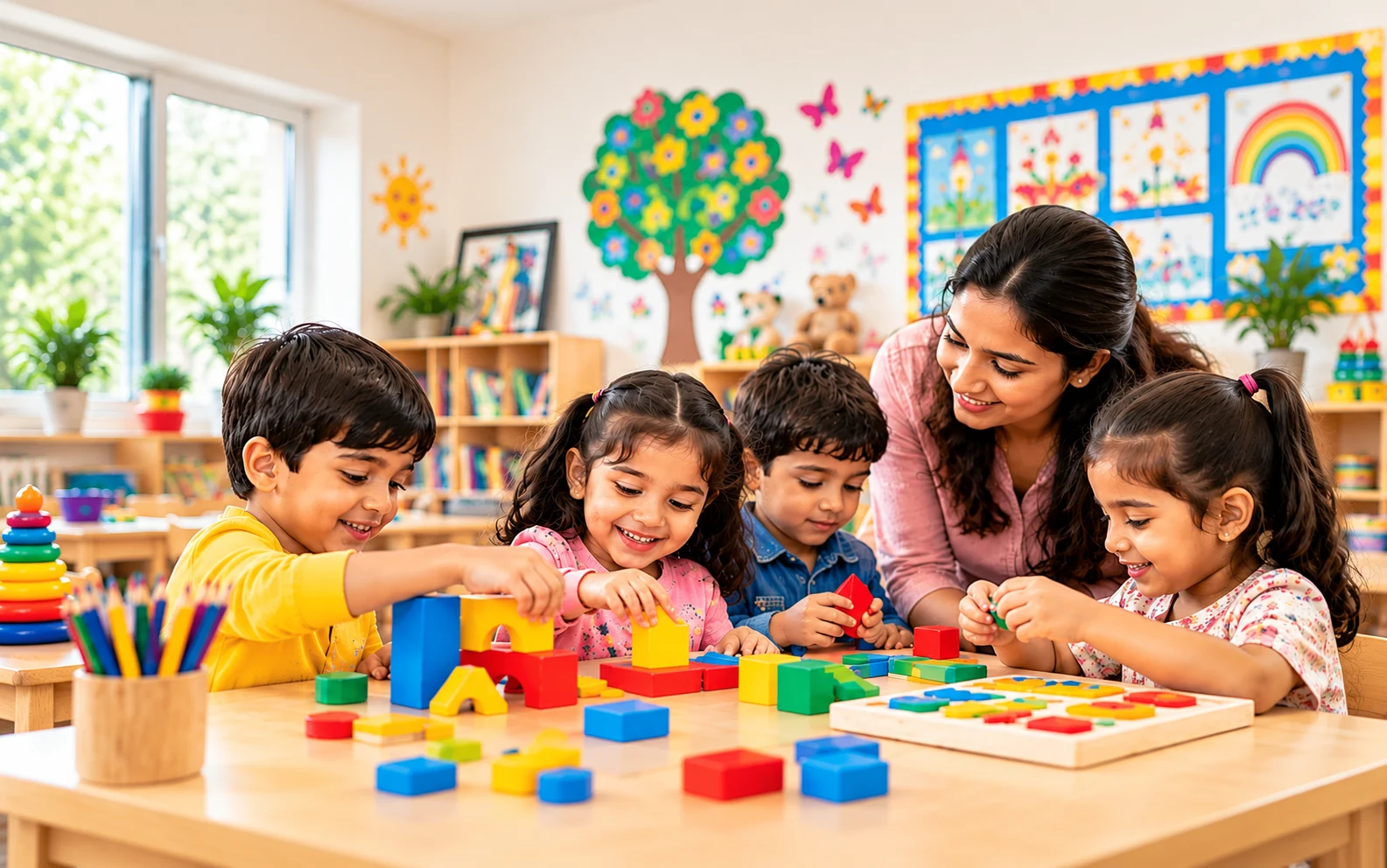
The early years of childhood bring many changes. Children learn new words, notice things around them, and become more curious each day. Preschool gives this curiosity the right direction. It offers children a place to play, learn, meet others, and become more independent. These are some of the important benefits of preschool during a child's early years.
Starting preschool early does not mean pushing children into formal studies. Instead, it gives them time to learn through simple activities and daily routines. With the right support and a quality preschool environment, these experiences can make the move to school easier. Parents who are new to this stage can also learn more about how preschool works and how children are cared for.
Helps Children Build Social Skills
Preschool offers children plenty of opportunities to interact with other people. This teaches them how to share toys, take turns, participate in group activities, and listen to their peers.
At first, it might be difficult for some children. However, regular interaction helps them understand simple social norms and learn how to handle small conflicts. Over time, children can become more patient and comfortable interacting with others.
Makes Children More Independent
Young children often depend on their parents for daily tasks. Preschool gives them opportunities to do simple things on their own.
For example, they may learn to put toys away, open lunch boxes, wash their hands, or carry their bags. Teachers can guide them without doing everything for them. As a result, children gradually become more confident with everyday tasks.
Improves Language and Communication
Children use language throughout the day at preschool. They hear stories, converse with their teachers, sing songs, and talk with other children.
These interactions can help them learn new words and express their thoughts and opinions.
Through conversation, children learn how to ask questions, explain their needs, and describe their emotions. Regular interaction can also support children as their language and communication skills develop.
Develops Early Learning Skills
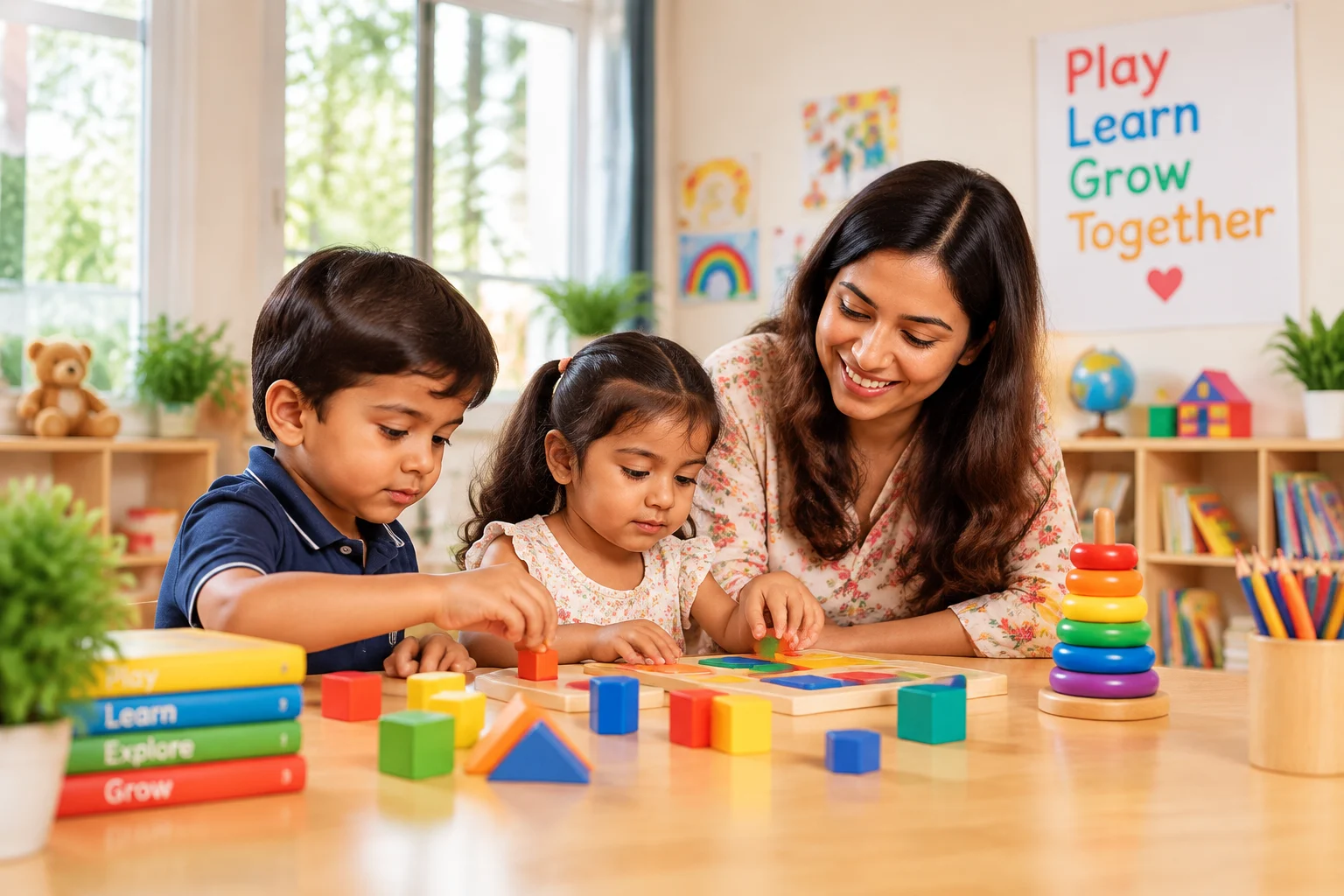
In preschool, the fundamentals of learning are introduced in casual and friendly ways. Children might explore concepts such as colours, shapes, numbers, letters, sounds, and patterns.
However, the emphasis is usually on activities rather than lengthy lessons. For example, blocks can be used for counting, and pictures can be shown to introduce new words.
In this way, children can connect learning with tangible objects and discover that learning can be enjoyable. Parents can also read more about early learning at Sswings Preschool.
Helps Children Follow a Routine
A regular preschool schedule helps children understand their day. They may have set times for play, meals, activities, outdoor time, and rest.
This predictable structure helps children move from one activity to another. They also learn to follow simple instructions and prepare for the next task. These habits can help when children later enter a more structured school setting.
Builds Emotional Confidence
Preschool is also an environment where children learn about their emotions. They may feel excited, anxious, upset, or angry at different points during the day.
Teachers can help them identify these emotions and respond appropriately. Children can gradually learn that missing their parents or feeling unsure in a new environment is normal. With time and support, many children become more comfortable spending time away from their parents.
If your child finds the initial transition difficult, these tips to help your child adjust to playschool smoothly can help parents understand the adjustment process.
Encourages Creativity
Children need space to create, experiment, and use their imagination. Preschool activities often include drawing, painting, music, crafts, storytelling, and pretend play.
These activities allow children to make choices and explore their ideas. They may create pictures, build with blocks, or invent stories.
Creative play can also encourage children to concentrate, experiment with ideas, and find solutions to simple problems.
Supports Physical Development
Preschool is not only about sitting and learning. Children also need movement to develop physical skills.
Outdoor games, dancing, running, and climbing encourage children to use their bodies. Indoor activities such as drawing, building with blocks, and using clay can help develop hand control and coordination.
These activities support physical development while helping children stay active.
Makes the Transition to School Easier
There can be a significant difference between entering a formal school environment directly and having prior experience in preschool. In school, a child may need to adapt to classroom routines, follow the teacher's instructions, participate in activities, and look after their belongings.
Preschool can introduce children to many of these experiences in an age-appropriate environment. As a result, the transition to nursery or primary school may feel more familiar.
Quality early childhood education can also support school readiness. UNICEF India notes that quality early learning and early childhood education help build a foundation for later learning and school readiness.
You can also learn more about how Sswings Preschool prepares children for a confident start to school life.
Teaches Children to Solve Small Problems
Preschool gives children opportunities to deal with small challenges. A toy may be unavailable, a block tower may fall, or they may need help with an activity.
Teachers can encourage children to think about possible solutions instead of solving every problem for them. This teaches children to try again, ask for help, and make simple choices. These skills can remain useful as they grow.
Helps Parents Understand Their Child Better
Going to preschool can also help parents gain useful information about how their child behaves and interacts around other people. Teachers may notice strengths or areas where a child could benefit from additional support that may not be as noticeable at home.
For instance, one child may be very active in communicating with peers but less vocal around adults. Another child may be interested in creative work but require additional support during group activities.
Regular communication between parents and teachers can help both understand the child's needs, interests, and progress.
Choosing the Right Time and Preschool for Your Child
While preschool can offer many benefits, every child develops at their own pace. Starting early should not mean putting unnecessary academic pressure on a child.
Parents should consider their child's comfort, readiness, individual needs, and the quality of the preschool environment. A good preschool should provide age-appropriate activities, opportunities for play, supportive teachers, and a safe environment where children can explore and learn comfortably.
Quality is important too. UNICEF India's early childhood education guidance highlights the importance of quality early learning in supporting children's school readiness and future learning.
Frequently Asked Questions
Q1. What are the benefits of sending a child to preschool early?
Ans: Preschool can help children develop social skills, communication, independence, creativity, early learning habits, and healthy daily routines in an age-appropriate environment.
Q2. How does preschool help with a child's social development?
Ans: Children get opportunities to share, take turns, communicate with others, and participate in group activities. These everyday interactions can help them gradually develop social skills.
Q3. Does preschool help children become more independent?
Ans: Yes. Preschool can give children opportunities to practise simple everyday tasks such as putting away toys, washing their hands, carrying their belongings, and completing age-appropriate activities with guidance.
Q4. How does preschool prepare children for school?
Ans: Preschool introduces children to routines, classroom activities, group participation, and teacher instructions, which can make the transition to a more structured school environment easier.
Q5. How can parents choose the right preschool for their child?
Ans: Look for a safe and caring environment, supportive teachers, age-appropriate activities, opportunities for play, and a routine that matches your child's needs. Parents should also visit the preschool and understand its approach before deciding. You can learn more about safety and security in preschools.
Conclusion
Early preschool can give children a positive start to their learning journey when the environment is supportive, age-appropriate, and suited to the child's readiness. It can help them build social skills, communicate better, follow routines, and become more independent. At the same time, play, stories, art, and group activities can make learning enjoyable and natural.
However, parents should choose a preschool based on their child's needs and readiness. A safe, caring, and supportive setting can make a meaningful difference during these early years. Parents should visit the preschool, meet the teachers, and understand the daily routine before deciding.
For a nurturing early learning environment, Sswings Preschool provides children with opportunities to learn, play, explore, and grow. Parents can contact or visit Sswings Preschool to understand its programs and choose an option suited to their child's needs.

Send a Message