
- Admin
- 10 Aug, 2026
- Blog
What to Expect During Your Child’s First Year in Preschool? - Sswings Preschool
Preschool Explained: The First Step in Your Child’s Education
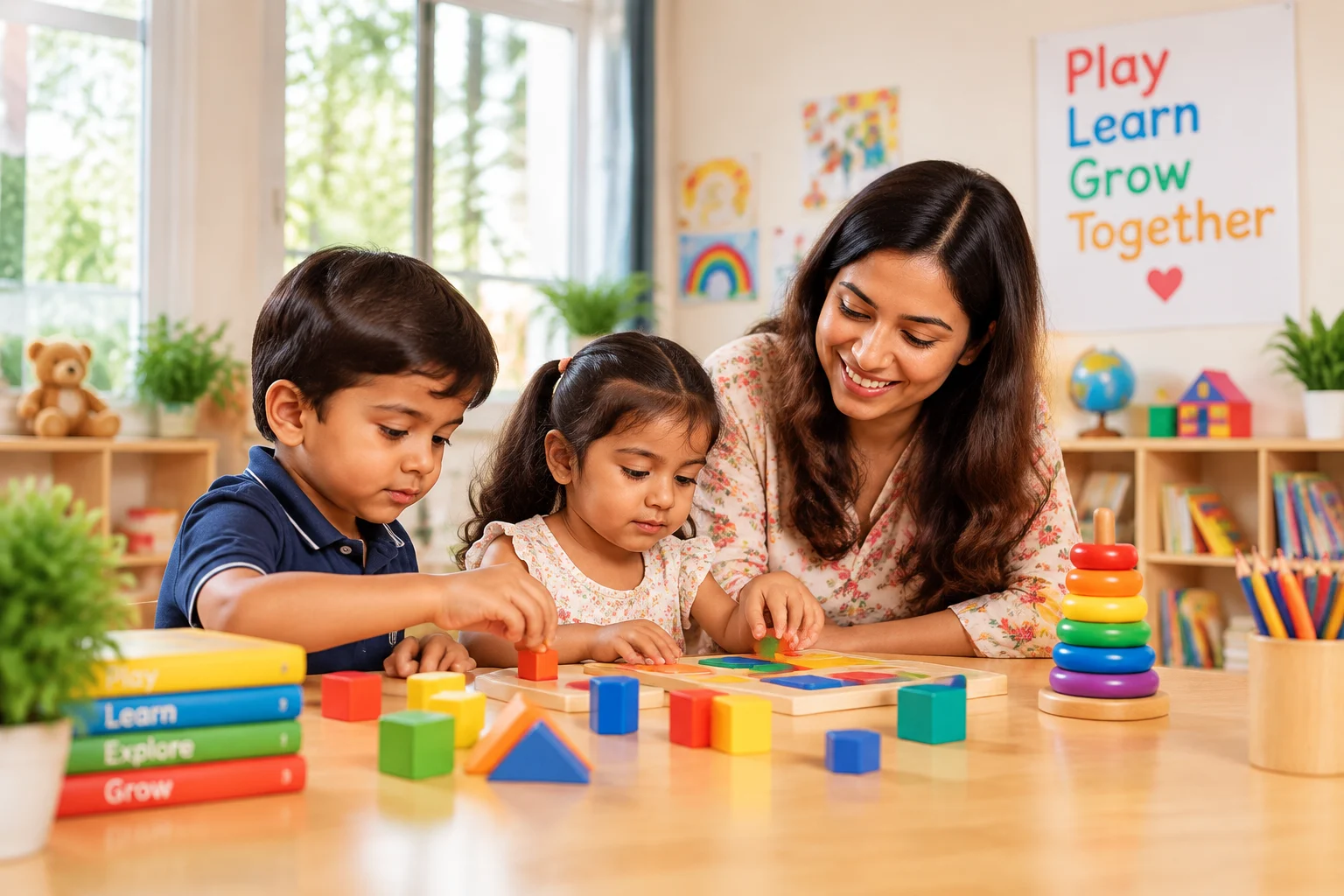
Preschool is a specially designed schooling system for toddlers. In this schooling system, the primary method of teaching is fun learning activities that involve fun learning games, rhyming, singing, storytelling and more.
Importance of the First Year in Preschool
The first year of your child’s preschool plays an important role in their learning career. This plays a foundation for their future learning and adaptive skills building because it’s the time when a child gets integrated into the education system.
How Preschool Supports Early Childhood Development?
A preschool is known to support children’s early childhood development process by providing them with an enriching environment to explore and learn new things.
Preparing Your Child for This New Experience
During this time, the preschool helps your child to prepare for their new experience and how they are going to give a hit of the schooling system through fun-learn activities.
Emotional Adjustment in the First Year
The first year of your kid’s preschool is very important. They might get anxious and nervous. The very first year is about them getting comfortable in this new setup.
Separation Anxiety and How to Handle It
Children may experience separation anxiety as it is their first time stepping out of the comfort of their homes and spending time with people they are not familiar with. Teachers will patiently and kindly help your child come out of this problem.
Building Trust With Teachers and Caregivers
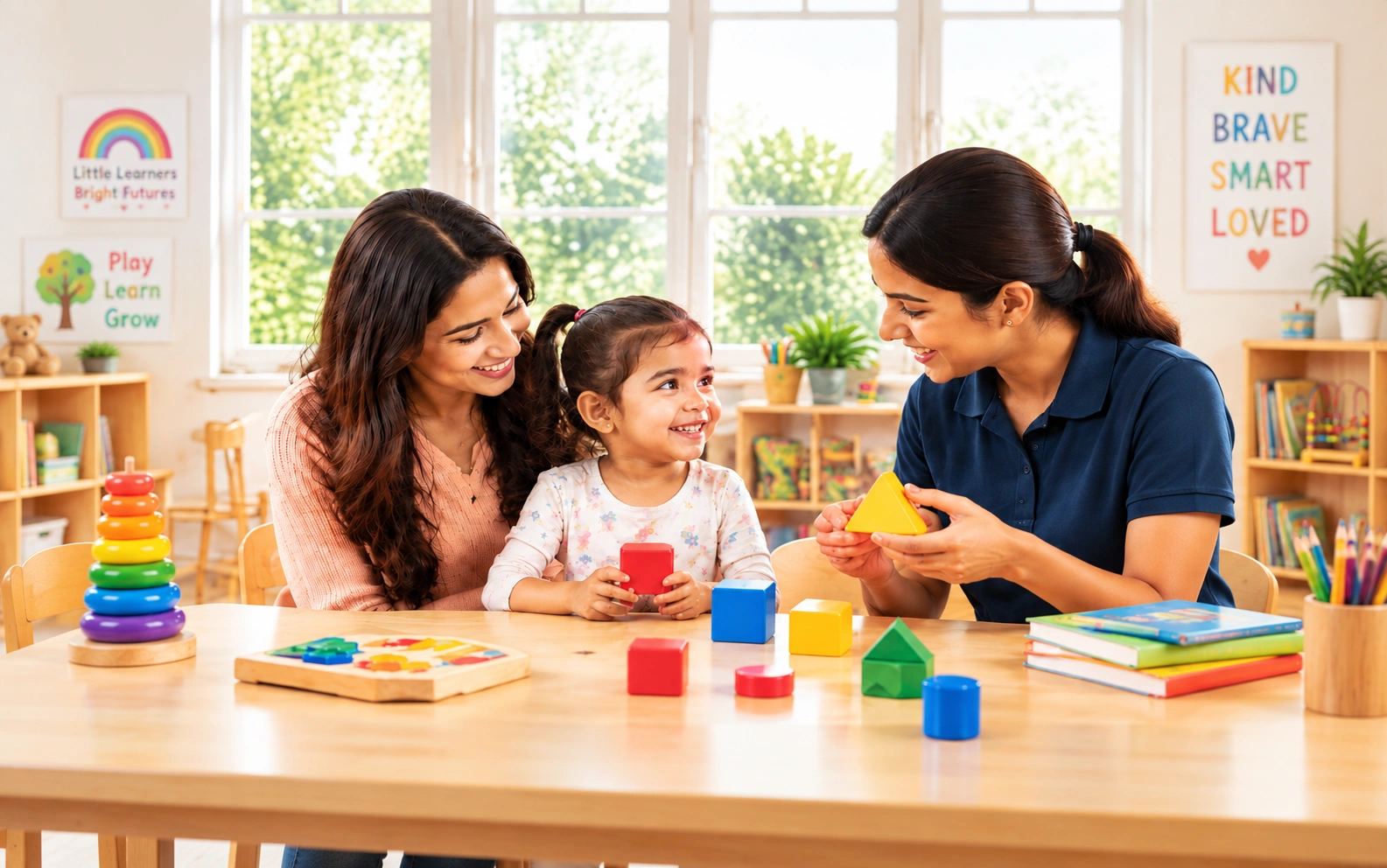
Your child may also find it difficult to communicate with their teachers and caregivers. A preschool offers a nurturing environment to help your child build trust with caregivers and teachers.
Encouraging Social Interaction With Peers
Social anxiety is common in children in their first year of their preschool. However, they are encouraged by their teachers with playtime and other similar activities to interact with their peers.
Academic and Cognitive Development
Preschools also facilitate academic and cognitive development in children. Teachers use various methods to develop these abilities in children.
Early Learning Concepts
A preschool focuses on introducing basic learning concepts to children and prepares them for kindergarten.
Language and Communication Skills
Language and communication skills are developed in children through activities such as storytelling, learning new words every day and singing.
Problem-Solving and Critical Thinking Activities
Teachers in a preschool also help children learn skills like problem-solving and critical thinking through hands-on activities and games.
Exposure to Numbers, Letters, and Basic Concepts
Children learn basic concepts such as numbers and letters with fun activities, reciting easy poems, singing and games.
Physical Development and Motor Skills
Play and physical activities are crucial for the development of motor skills. Children draw, colour and handle small objects in a preschool that helps in their motor skills and overall physical development.
Fine Motor Skills: Writing, Drawing, and Manipulating Objects
Fine motor skills are developed in children with activities such as writing, drawing, colouring, handling and manipulating objects.
Gross Motor Skills: Running, Jumping, and Climbing
Children also participate in activities like jumping, running, and climbing under the supervision of teachers in a preschool. These activities help in the development of gross motor skills in children.
Encouraging Healthy Physical Activity
In a preschool, teachers also encourage physical activities such as yoga and simple exercises. Children also engage in outdoor play and activities with their peers for fitness.
Social Skills and Peer Interaction
Children also learn social skills and the ability to interact with peers and teachers in a preschool. This helps them prepare for kindergarten. And they also learn some basic social skills that become the foundation pillars of their healthy social interaction in later ages.
Sharing, Cooperation, and Teamwork
Children must learn certain key social skills, such as cooperation, sharing, and teamwork, that help them collaborate and mix with others. Preschools help children learn these social skills with the help of trained professionals.
Understanding Emotions and Empathy
Teachers in a preschool are trained in child psychology and help children understand and express their emotions healthily. They also teach children to be empathic with games and interesting activities.
Managing Conflicts and Building Friendships
Conflict management, networking and making friends are some crucial social skills that children not only need in their school life but also in later ages. A preschool teaches them the basics of friendship and how to manage conflict healthily.
Daily Routine and Schedule
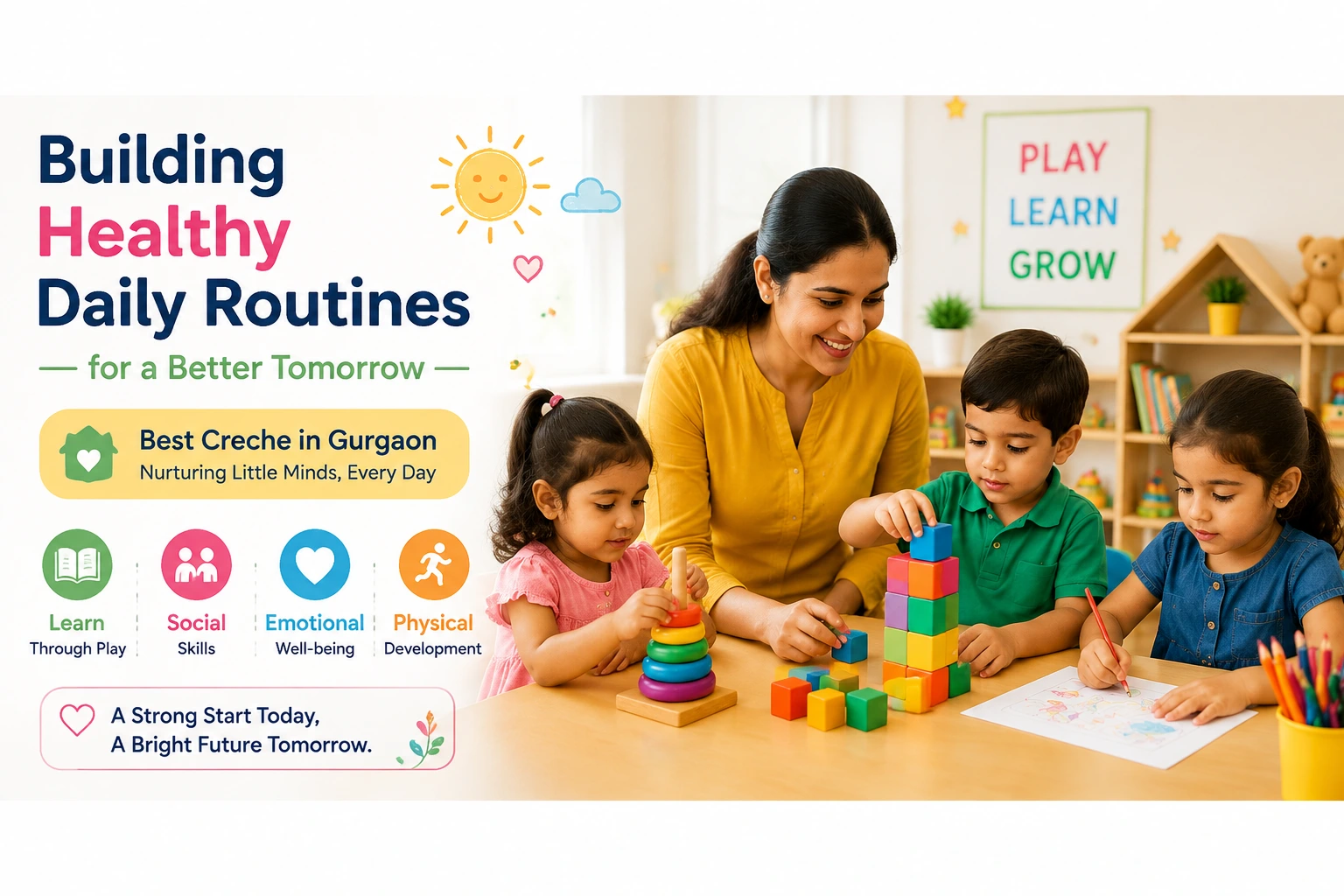
Children must learn organisational skills. Maintaining routine and discipline is a skill that helps them throughout their lives.
Typical Daily Activities in Preschool
The routine activities in a preschool help children get familiar with routine activities in kindergarten and school.
Snack, Meal, and Nap Times
Teachers in preschool introduce certain snack, meal and nap times to help children get accustomed to routine in regular life.
Structured Learning vs. Free Play
Both free play and structured teaching have their own sets of benefits. A preschool offers an amalgamation of structured learning and free play for the overall development of children.
Parent-Teacher Communication
Regular parent-teacher communication is key to effective child education. Preschools focus on regular parent-teacher communication for the effective development of a child.
Regular Updates and Reports on Your Child
When you send your child to a preschool, you will get regular reports and updates on your child from their teachers. This will help you understand how your child is developing.
Addressing Concerns and Questions
If you have any questions about your child’s development, teaching methods or any concerns, a preschool generally addresses them promptly.
Supporting Learning at Home
A preschool also supports learning with trained teachers if your is unable to visit the preschool regularly.
Common Challenges in the First Year
Children and parents may experience certain common challenges in the first year of their children’s attendance at a preschool. But these challenges can be addressed by both teachers and parents with patience and care.
Adjusting to New Routines
Adjusting to a new routine can be challenging for both parents and children. But they learn to accommodate this change slowly with guidance from preschool teachers.
Overcoming Shyness or Anxiety
Children can become shy or anxious as they meet many new people. However, this is very natural and resolves with time.
Managing Behavioural Issues
Children can become cranky or show aggression as they feel anxious and nervous. Teachers take time and help children overcome such issues.
Tips for a Successful First Year
You can ensure a successful first year for your children in preschool with these easy tips:
Preparing Your Child Before Preschool Starts
Prepare your child for preschool with interesting activities and time with new friends before it actually starts.
Establishing a Consistent Routine at Home
Also, establish a consistent routine at home for various activities. This will help them easily adjust to preschool routines.
Encouraging Independence and Self-Help Skills
Encourage self-help skills in your child before they go to preschool. This will make them more confident in a new setup.
Conclusion
Key Takeaways for Parents
Preschool is an important time in your child’s learning life. A preschool not only supports healthy childhood development through fun-learn activities, but it also helps them have a brief understanding of the education system they are stepping into.
How the First Year Lays the Foundation for Lifelong Learning?
Therefore, the first year of your child’s preschool lays the foundation of their lifelong learning and prepares them for their future learning experiences. Sswings can offer quality support to make your child’s fist Preschool year memorable and smooth.
Send a Message